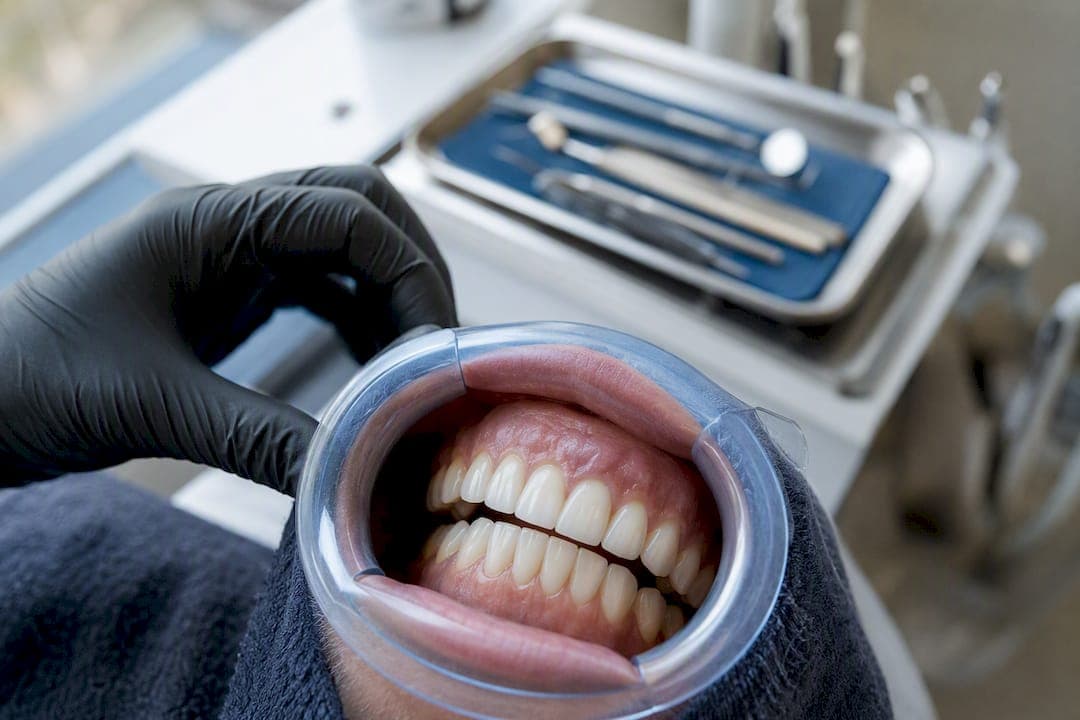
Brush gently with a soft-bristled brush, skip hard or staining foods for the first 48 hours, and wear a night guard if you grind your teeth. Long term, stick to a low-abrasion routine and see your dentist every six months. Call your dentist immediately if a veneer feels loose, chips, or you have sensitivity that lingers past a week.
TL;DR:
- Regular professional checkups and six-month cleanings are crucial for detecting early veneer issues and extending their lifespan beyond a decade.
- Avoid abrasive toothpastes, hard foods, and habits like biting ice or opening packages with teeth to prevent damaging the porcelain and cement margins.
- Wearing a custom night guard is highly recommended for grinders and those with jaw soreness to protect veneers from early chipping or failure.
- Promptly contact your dentist if a veneer is loose, chipped, or causes lingering sensitivity, and never attempt self-repair with household glues.
- Good daily oral hygiene involves gentle brushing, flossing, and rinsing with alcohol-free mouthwash to maintain veneer integrity and prevent staining at the margins.
Table of Contents
- Veneer Aftercare in the First 48 to 72 Hours
- How to Clean Veneers Every Day
- What Foods and Habits Damage Veneers?
- Do You Need a Night Guard for Veneers?
- What to Do if a Veneer Falls Off or Chips
- How Long Do Veneers Really Last With Good Care?
- What Does Dc-dentistry Offer for Veneer Follow-Up Care?
- The Part of Veneer Aftercare Most Patients Get Wrong
- Ready for a Veneer Checkup or Repair?
- Sources
Veneer Aftercare in the First 48 to 72 Hours
Your lips, cheeks, and tongue may still feel numb when you leave the chair, especially if your dentist used local anesthetic to place or adjust the veneers. Wait until that numbness fully wears off before eating anything, hot or cold. Biting down without feeling it is how people bite their own cheek or scald themselves without realizing it.
Some tooth sensitivity to cold air, sweets, or pressure is normal for the first few days and usually fades within a week as the bonding cement fully cures and your gums settle. Desensitizing toothpaste helps, and sticking to a soft diet during that window takes pressure off the new surfaces while everything stabilizes.
For the first 24 hours, especially if your dentist used a cement that's sensitive to staining while it sets, skip alcohol, coffee, tea, and red wine. Stick to foods you barely have to chew: eggs, yogurt, soup, mashed potatoes, pasta. Avoid anything sticky (caramel, gum) or hard (nuts, ice, raw carrots) until you're confident the veneers feel fully settled in your bite.
How to Clean Veneers Every Day
A solid daily routine is the single biggest factor in veneer longevity, and it's simpler than most patients expect. The key is being gentle without being lax.
- Brush twice a day with a soft or extra-soft bristled toothbrush, using short strokes at a 45 degree angle where the tooth meets the gumline.
- Use a non-abrasive, low-RDA fluoride toothpaste. Skip whitening toothpastes and anything with charcoal. Those abrasive formulas can dull or scratch the porcelain surface over months of use, even though the damage isn't visible day to day.
- Floss once a day, gently, working the floss down rather than snapping it into place at the veneer margins. A floss threader helps if you have a bridge or bonded section.
- A water flosser is a good addition around veneer edges, particularly if you have any bridgework, but it shouldn't replace regular flossing.
- Rinse with an alcohol-free mouthwash. Alcohol-based rinses can dry out gum tissue and irritate the margins where the veneer meets your natural tooth.
If you use an electric toothbrush, keep it on a gentle or sensitive setting rather than the standard mode. Combined, this is the same foundation that good general oral hygiene is built on. It just needs a slightly softer touch now that porcelain is involved.
What Foods and Habits Damage Veneers?
Porcelain resists staining far better than natural enamel, but the thin cement line at the edge of each veneer, along with any exposed natural tooth, can still pick up color over time. A few habit changes go a long way toward protecting both the look and the structure of your veneers.
- Limit coffee, tea, red wine, and dark berries, and rinse with water right after you eat or drink something pigmented. This simple habit reduces staining at the margin where porcelain meets tooth.
- Cut firm foods like raw apples or corn on the cob into smaller pieces instead of biting directly into them with your front teeth.
- Sip staining drinks through a straw when it's practical, positioning the straw toward the back of your mouth.
- Quit chewing ice, biting pens or fingernails, and using your teeth to open packages or bottle caps. These habits put sudden, concentrated force exactly where veneers are most vulnerable.
- Avoid tobacco products, which stain aggressively and slow healing in the gum tissue around your veneers.
Do You Need a Night Guard for Veneers?
Bruxism, the medical term for clenching and grinding, concentrates enormous force right on the thin edge of a veneer. It's one of the most common preventable reasons veneers chip or fail early, and a custom night guard is the standard recommendation for anyone who clenches or grinds during sleep.
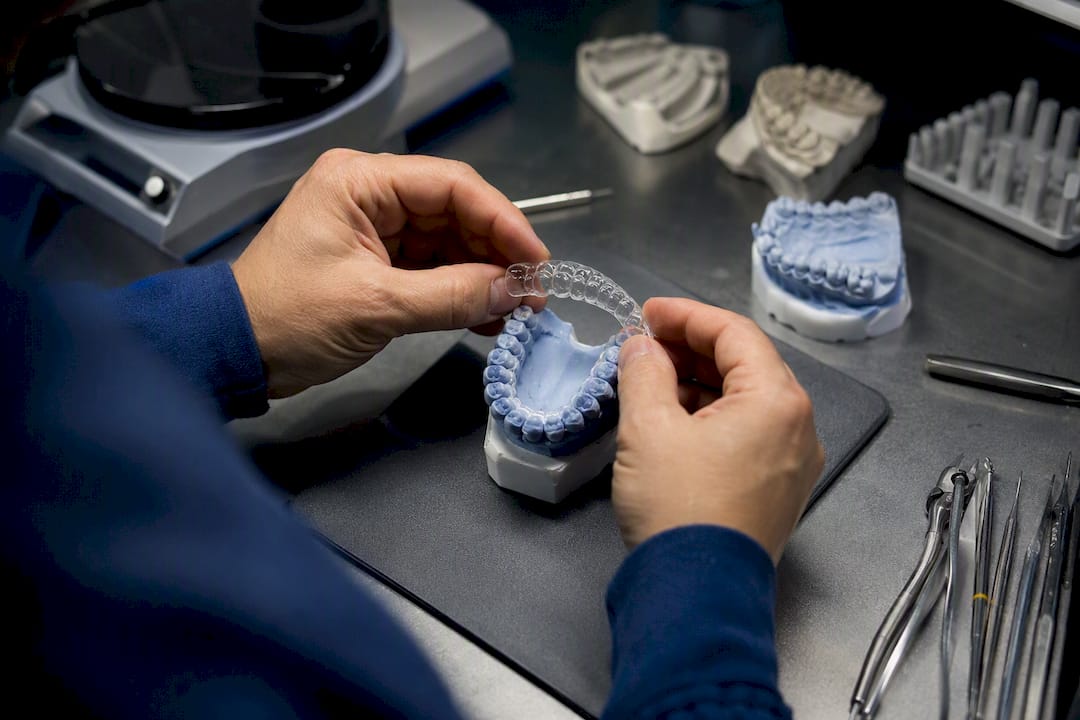
Custom guards, made from an impression of your own bite, distribute force across multiple teeth using thicker, more resilient material than an over-the-counter version bought at a drugstore. That's a meaningful difference when porcelain is on the line. If you play contact sports, a properly fitted sports mouthguard matters just as much, since a stray elbow or ball can crack a veneer instantly.
Morning jaw soreness, headaches, or a hairline chip you didn't remember causing are all signs bruxism may already be affecting your veneers.
Pro Tip: If you wake up with a sore jaw more than once or twice a week, don't wait for a chip to show up before mentioning it. A night-guard fitting is a quick appointment, and it's far cheaper than repairing or replacing a fractured veneer.
What to Do if a Veneer Falls Off or Chips
A rough edge or visible chip doesn't always mean disaster, but it does mean you need to change how you're eating and get in touch with your dentist. Stop chewing on that side of your mouth right away so you don't catch the sharp edge on your cheek or tongue, and call the office to describe what happened.
If a temporary veneer fell off, or a permanent one has come loose entirely, resist the urge to fix it yourself. Never use super glue or any household adhesive. These products are not made for the mouth, and they can damage the tooth underneath in ways that make professional rebonding difficult or impossible afterward.
Instead:
- If the veneer is intact, keep it clean and bring it with you to your appointment. It can sometimes be rebonded the same day.
- Watch for looseness, exposed tooth structure, swelling, bleeding, or pain that doesn't ease with over-the-counter medication. These need prompt attention, not a wait-and-see approach.
- Small chips caught early are often fixed same-visit with polishing or minor bonding repair. Waiting increases the odds you'll need a full replacement instead of a quick touch-up.
How Long Do Veneers Really Last With Good Care?
Plan on regular professional cleaning and checkups at intervals recommended by your dentist. At these visits, your dentist checks the margins where the veneer meets your gum, polishes the surface, and catches small chips before they turn into bigger problems. Early fixes tend to be minor and inexpensive compared to full replacement, which is the whole argument for not skipping these visits.
The cement margin is usually the first place to show wear, since it's a thinner, more exposed edge than the porcelain itself. Routine polishing addresses this before it becomes visible discoloration or a rough spot that traps plaque.
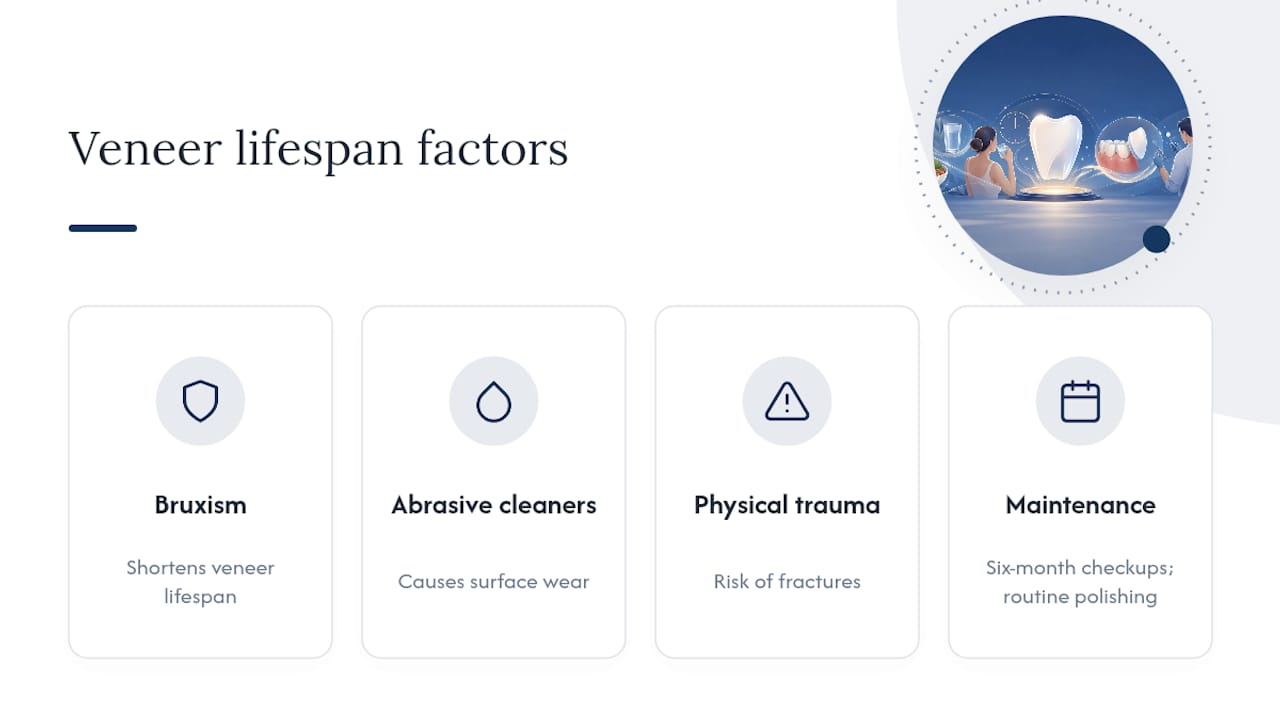
With consistent care, veneers commonly last well over a decade. The biggest threats to that lifespan are the same three things throughout this guide: untreated bruxism, abrasive cleaning products, and physical trauma. Scheduling your six-month visit, rather than waiting until something feels wrong, is the single easiest way to stretch that lifespan further.
What Does Dc-dentistry Offer for Veneer Follow-Up Care?
At Dc-dentistry, veneer patients see Dr. Kambez Shukoor, a U.S. Navy veteran with a practice built on more than 200 five-star reviews. That track record reflects a lot of routine follow-ups done right, not just the initial placement.
The practice offers ongoing veneer inspections, professional polishing, custom night-guard fittings, and same-day appointments when something urgent comes up, like a chip or a veneer that feels loose. If you're coming in for a follow-up visit, bring a list of any sensitivity or discomfort you've noticed and mention if you've had any signs of grinding, like morning jaw soreness. That context helps your dentist decide whether a night guard or a bite adjustment should be part of your visit.
The Part of Veneer Aftercare Most Patients Get Wrong
Most aftercare advice focuses on the wrong end of the timeline. Patients get detailed instructions for the first 48 hours, then are left to figure out the next ten years on their own. That gap is where veneers actually fail.
The uncomfortable truth is that daily habits matter less than the two things people are most likely to skip: night guards and six-month checkups. A patient who occasionally eats something too hard but shows up for every checkup will likely do better long term than one with a perfect diet who skips appointments and grinds their teeth every night, unaware. Bruxism in particular gets underestimated because it happens while you're asleep. You don't feel it happening, so there's no immediate reason to fix it, until a chip shows up and the damage is already done.
If you take one thing from this guide, prioritize the night guard conversation with your dentist and put the six-month cleaning on your calendar before you leave the office, not after you remember to book it three months late.
— Jake
Ready for a Veneer Checkup or Repair?
If it's been a while since your last veneer checkup, or something feels off, waiting rarely makes the fix simpler. Dc-dentistry offers same-day appointments for exactly this reason: a chipped edge or a veneer that feels slightly loose is usually a fast, straightforward visit when you catch it early, not the drawn-out repair it becomes after months of putting it off.

The practice handles the full range of veneer aftercare, including professional polishing, custom night-guard fittings for grinding, and rebonding or repair when a veneer chips or comes loose. Routine cleanings are built around checking veneer margins specifically, not just a generic scale-and-polish. If you're due for a checkup or dealing with a veneer issue right now, you can look at porcelain veneer services in Washington, DC and book a visit directly, without a long wait for an initial consultation.
This article is general information, not a substitute for advice from a qualified doctor. Consult a qualified healthcare professional about your own circumstances before acting on anything here.
Sources
- Oral hygiene | Cleveland Clinic
- Veneers | MouthHealthy (ADA)
- How to care for veneers to keep them looking new | Dental Arts of Atlantis
- Post-operative care after veneers have been cemented | Genesis Dentists