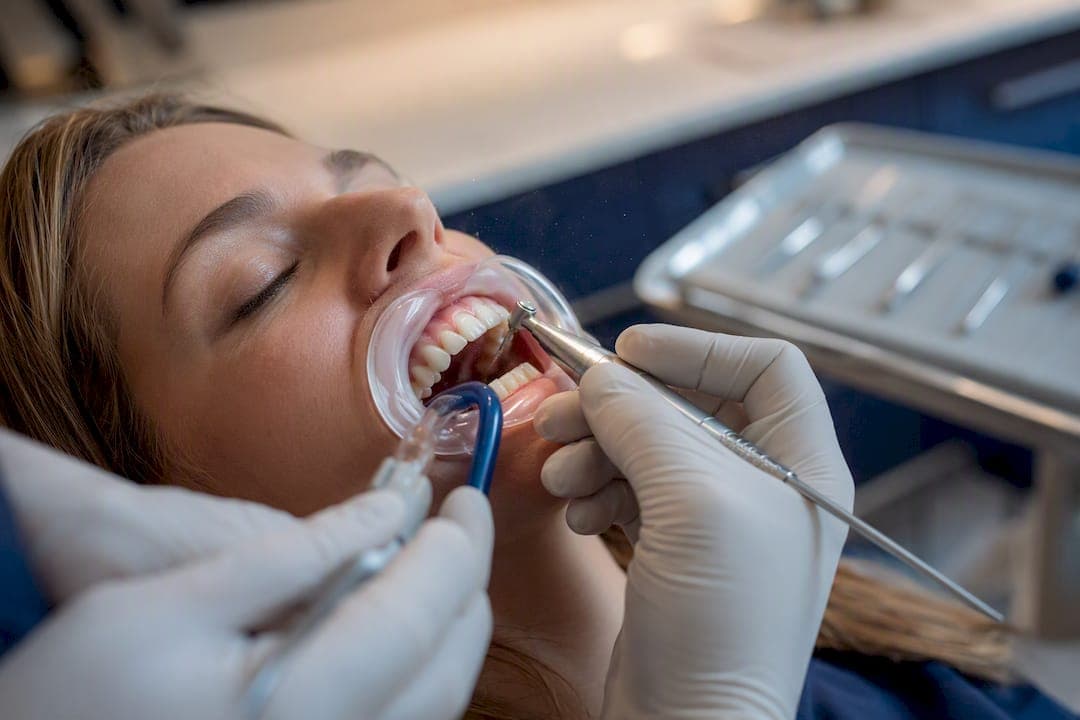
Tooth reshaping, also called dental contouring or enameloplasty, removes tiny amounts of enamel to fix chips, uneven edges, and pointy canines in a single visit. It suits people with minor cosmetic flaws on otherwise healthy teeth, not anyone needing structural repair. The tradeoff is permanent: enamel taken off doesn't grow back, so most appointments run 30 minutes or less with no anesthesia and no downtime.
TL;DR:
- Enamel thickness must be confirmed by X-ray to avoid over-reduction and ensure safety before tooth reshaping.
- Reshaping is suitable only for minor, isolated cosmetic flaws on healthy, stable teeth without decay or gum issues.
- The procedure typically takes less than 30 minutes, involves no anesthesia, and results are permanent due to the non-regenerative enamel.
- Cost generally ranges from $50 to $300 per tooth, with bonding or further cosmetic work increasing total expenses.
- For issues beyond minor surface flaws, procedures like bonding, veneers, or orthodontics are more appropriate than reshaping alone.
Table of Contents
- What Is Tooth Reshaping and Contouring, Exactly?
- Who Is a Good Candidate for Dental Contouring?
- How Does the Tooth Contouring Procedure Work?
- What Are the Benefits and Limits of Tooth Contouring?
- What Does Tooth Reshaping Cost, and What Are the Alternatives?
- Aftercare, Sensitivity, and How Long Results Last
- When Should You Talk to a Cosmetic Dentist About Contouring?
- Why Conservative Reshaping Beats the "Quick Fix" Mentality
- Get a Professional Assessment Before You Commit to Reshaping
- Sources
What Is Tooth Reshaping and Contouring, Exactly?
Enameloplasty, sometimes called odontoplasty, is the clinical term for what most patients know as tooth reshaping or contouring. It's a subtractive procedure. A dentist uses fine diamond burs, sanding discs, or abrasive strips to smooth or trim the outer enamel layer, then polishes the surface so it blends naturally with the surrounding tooth.
Because enamel has no nerve endings, the process is generally painless even without numbing. Dentists typically use it to fix small chips, level uneven incisal edges, or round off a pointy canine that stands out in a smile. It's also common as a finishing step after braces or clear aligners, where it levels edges and refines small esthetic details that orthodontics alone can't smooth out. When a tooth needs more than trimming, dentists often pair reshaping with bonding to add material where it's missing.
Who Is a Good Candidate for Dental Contouring?
Reshaping works best on teeth that are already healthy, just cosmetically imperfect. Before recommending it, a dentist checks enamel thickness and rules out any hidden decay or gum issues that would make removal risky.
Good candidates typically have:
- Healthy enamel confirmed by dental X-rays, with no signs of decay or thinning
- Stable gum health, without active periodontal disease
- A minor, isolated flaw, such as one chipped edge or a slightly overlapping tooth point
- Realistic expectations about a small cosmetic correction, not a full smile overhaul
Contouring isn't appropriate for anyone with significant enamel erosion, deep chips exposing dentin, or active decay. Enamel near the front teeth averages roughly 0.8 to 1.2 millimeters thick, and dentists need that measurement, along with pulp proximity, before touching a bur to the tooth. Skipping that diagnostic step is how over-reduction happens.
How Does the Tooth Contouring Procedure Work?
Most reshaping appointments follow a predictable sequence, and there's rarely a surprise once you're in the chair.
- Exam and X-rays. The dentist confirms enamel thickness and checks for decay or thin spots that would make reshaping unsafe.
- Marking the plan. Problem areas get marked so only the intended enamel is touched.
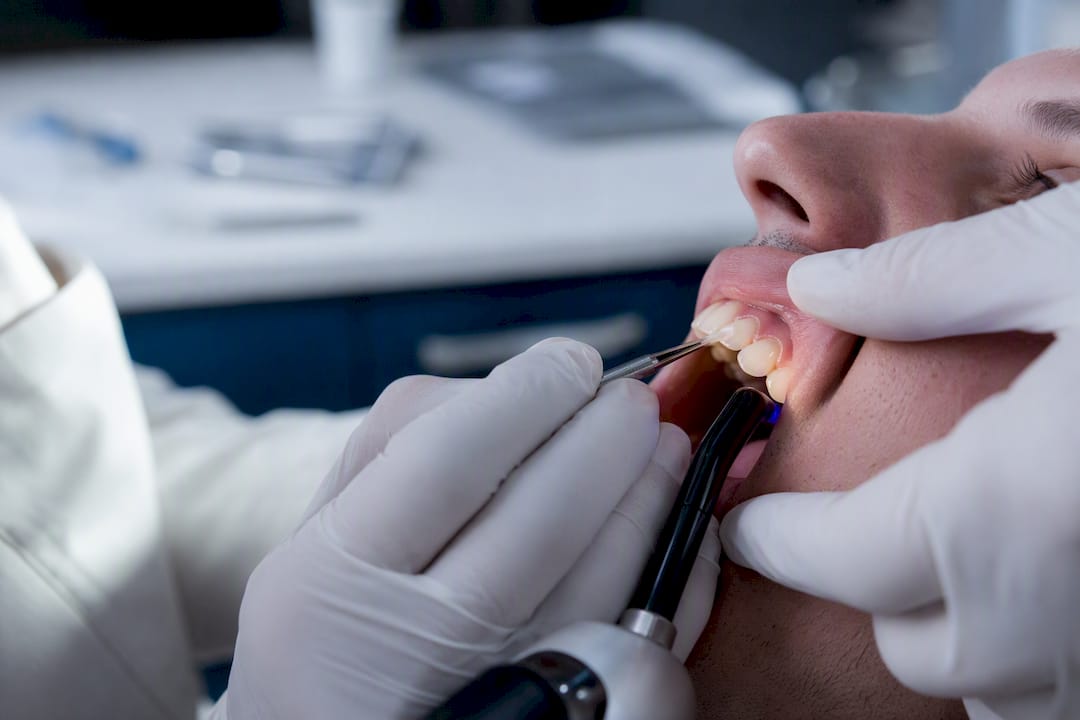
- Conservative shaping. Using fine diamond burs or abrasive strips, the dentist removes small increments of enamel, checking progress against a mirror or bite frequently.
- Polishing. The reshaped surface is smoothed and polished to match the natural tooth sheen.
For most patients, the entire process takes 30 minutes or less, with zero recovery time afterward. You can eat, talk, and go back to work immediately.
Statistic to know: Because enamel contains no nerve endings, most patients feel only mild vibration during the procedure, and anesthesia usually isn't necessary at all.
If bonding is added to fill a chip or add length, expect another 30 to 60 minutes. The dentist applies tooth colored resin, shapes it while soft, then cures it with a light and polishes it to match the enamel around it. Anyone nervous about the sensation of dental work can ask about comfort options through resources like managing dental anxiety before the appointment.
What Are the Benefits and Limits of Tooth Contouring?
Reshaping earns its popularity because it's fast and inexpensive compared to alternatives, and results show up the moment you leave the chair.
Benefits:
- Immediate cosmetic improvement, visible before you leave the office
- Far less costly than veneers, and no orthodontic timeline
- Smooths sharp or uneven edges that catch on lips or cause minor irritation
- No lab work, temporaries, or multi-visit process
Limits and risks:
- It only removes material, so it can't add volume, close gaps, or fix a tooth that's too short
- Enamel taken off is gone permanently. It does not regenerate, which is why practitioners favor conservative removal
- Over-reduction can expose dentin, leading to sensitivity or the need for corrective bonding
- Best suited to one or two teeth with minor flaws, not a full smile redesign
Pro Tip: Ask your dentist to show you the planned amount of enamel removal before starting. A conservative practitioner will remove less than you'd expect and can always take off a little more, but they can never put enamel back.
What Does Tooth Reshaping Cost, and What Are the Alternatives?
Price depends on how many teeth need work and how much shaping each requires, but reshaping tends to be one of the cheaper cosmetic fixes available. Reported ranges typically fall around $50 to $300 per tooth, with cost varying by practice and region. If bonding is added to build out a chip, expect another $300 to $600 per tooth depending on scope.
Because contouring is almost always classified as cosmetic, dental insurance typically doesn't cover it, except in rare cases tied to trauma or a documented functional bite problem.
When reshaping alone won't solve the issue, consider:
- Bonding when a tooth needs added length or volume, not just trimming
- Veneers, covered on porcelain veneers in Washington, DC, for broader color or shape changes across multiple teeth
- Clear aligners or braces, detailed on the clear aligners page, when the real issue is alignment rather than surface shape
- Crowns, outlined at dental crowns, when structural damage goes beyond what enamel trimming can fix
A single chipped edge points toward reshaping. Multiple color or shape concerns point toward bonding or veneers. Crowding or bite misalignment points toward orthodontics.
Aftercare, Sensitivity, and How Long Results Last
There's no real recovery period after contouring. Most patients notice nothing unusual, though a small number report mild sensitivity to hot or cold for a day or two as the tooth adjusts to its new contour. A desensitizing toothpaste for a week typically resolves it.
If bonding was part of the treatment, avoid heavily pigmented foods and drinks like coffee, red wine, or berries for the first 48 hours while the resin fully sets, and skip anything very hard or sticky that could chip the new edge.
The reshaping itself is permanent since enamel doesn't rebuild. Bonded material can wear or need touch ups over the years, so routine cleanings matter more, not less. Keep up with regular oral hygiene, and call your dentist if sensitivity lingers past a week or you notice a rough edge that wasn't part of the original plan.
When Should You Talk to a Cosmetic Dentist About Contouring?
A consultation before reshaping isn't a formality. It's where a dentist decides whether trimming enamel is even the right call, or whether bonding, a crown, or another approach serves you better. At DC Implant & Cosmetic Dentistry, Dr. Kambez Shukoor, a U.S. Navy veteran, evaluates enamel thickness and gum health with X-rays before recommending any reshaping plan, an approach reflected in the practice's more than 200 five-star patient reviews.
Bring any recent dental X-rays and a clear idea of what's bothering you, whether that's one chipped edge or a canine that catches your lip.
| What to expect | Detail |
|---|---|
| Diagnostic step | X-rays confirm enamel thickness before any reshaping |
| Appointment length | Usually 30 minutes or less for reshaping alone |
| Anesthesia | Typically not needed |
| Combined treatment | Bonding or orthodontic finishing when appropriate |
Same-day exams are available for patients who want an assessment without a long wait, through the clinic's cosmetic dentistry services.
Why Conservative Reshaping Beats the "Quick Fix" Mentality
The biggest misconception about tooth contouring is that it's a minor tweak with no real stakes. It's not. Every pass of a diamond bur removes enamel permanently, and enamel is the only part of the tooth that never rebuilds itself. That's the piece most casual explainers skip past on their way to selling the speed and low cost.
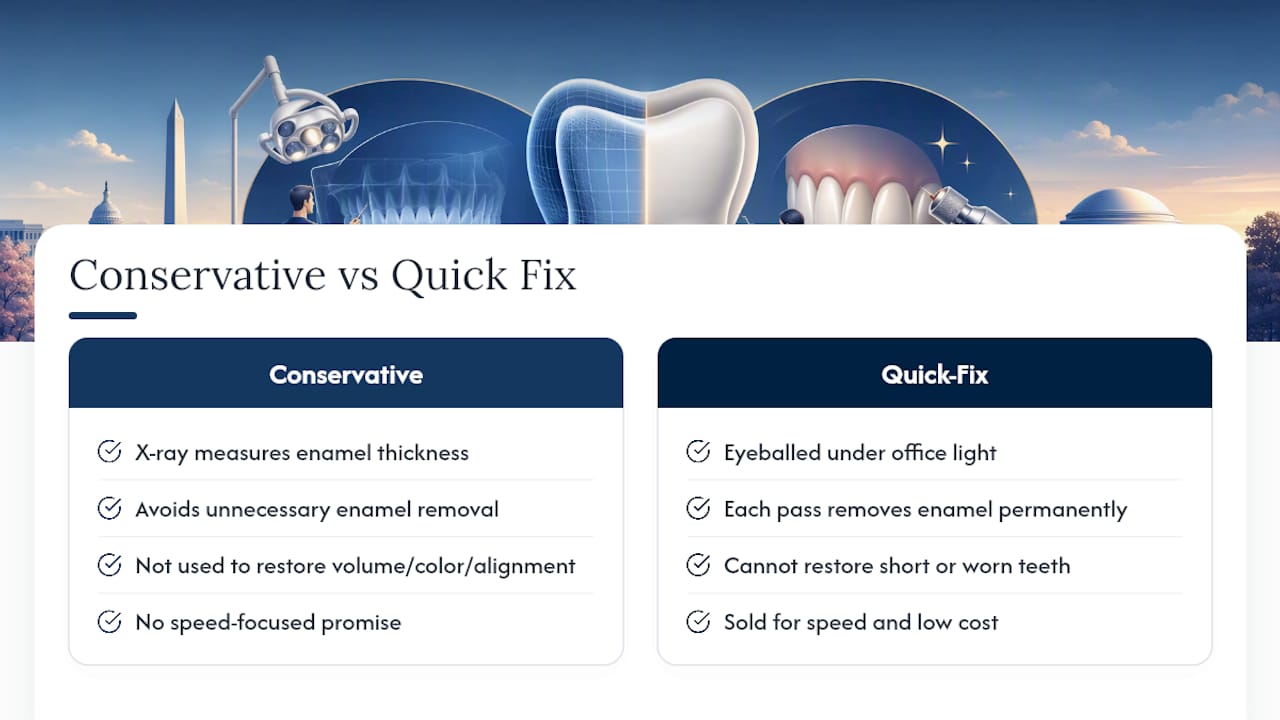
Where conventional advice falls short is treating reshaping as interchangeable with bonding or veneers. It isn't. Reshaping only removes; it can't restore a tooth that's too short or too worn. Anyone whose concern is genuinely about volume, color, or major alignment should be told that upfront, not talked into an enamel trim that won't solve their actual problem.
What actually matters is the diagnostic step most patients never think to ask about: enamel thickness measured on an X-ray, not eyeballed under office light. A dentist who insists on that check before touching a bur is doing you a favor, even if it means a slower "yes." Prioritize that conversation over the promise of a 30-minute fix.
— Jake
Get a Professional Assessment Before You Commit to Reshaping
If your chip or uneven edge turns out to need more than enamel trimming, adding tooth colored resin through bonding, or a broader upgrade through veneers, gets you a fuller result than reshaping alone can deliver. DC Dentistry starts every cosmetic case with the same diagnostic step outlined above: X-rays and an enamel thickness check, so you're never guessing whether trimming is the right call or whether bonding should do the heavier lifting.

Dr. Kambez Shukoor's team offers same-day appointments for patients who want an answer now rather than weeks from now, and financing is available for anyone whose plan turns out to need more than a quick contour. If you have a chipped edge, a pointy canine, or a rough spot bothering you, schedule a cosmetic dentistry consultation and find out in one visit whether reshaping, bonding, or veneers is the right fit for your smile.
This article is general information, not a substitute for advice from a qualified doctor. Consult a qualified healthcare professional about your own circumstances before acting on anything here.
Sources
- Enameloplasty (Tooth Contouring): Benefits & Side Effects | Cleveland Clinic
- Teeth reshaping: Pros, cons, and more | Healthline
- Enameloplasty and esthetic finishing in orthodontics — PubMed