
Bleeding gums are most often a sign of plaque-driven gum inflammation, known clinically as gingivitis, but they can also point to trauma from brushing technique, certain medications, or underlying systemic conditions; understanding the reasons for this can help you manage the condition effectively, as explained in Understanding the Reasons for Bleeding Gums. If your gums bleed when you brush or floss, the immediate priorities are simple: switch to a soft-bristled toothbrush, rinse with warm water, and apply gentle pressure with clean gauze if bleeding is active. Do not use hydrogen peroxide or alcohol-based rinses as a first response, and do not assume the bleeding will resolve on its own if it persists beyond a week or two.
Healthy gums do not bleed. Bleeding with brushing or flossing is an early warning sign that should not be ignored, according to the Oral Health Foundation. It usually warrants a dental review, even when the bleeding seems minor.
One urgent note: if you experience heavy bleeding that will not stop with pressure, combined with fainting, chest pain, difficulty breathing, or other systemic symptoms, seek emergency care immediately. That combination goes beyond a dental issue.
Key Takeaways
Bleeding gums are most often caused by plaque-driven gingivitis, which is fully reversible with professional cleaning and consistent home care, but persistent or heavy bleeding requires prompt dental or medical evaluation to rule out periodontitis or systemic disease.
| Point | Details |
|---|---|
| Most likely cause | Plaque buildup causes gingivitis, the most common reason gums bleed when brushing or flossing. |
| Gingivitis vs. periodontitis | Gingivitis is reversible; periodontitis involves irreversible bone loss and needs ongoing professional management. |
| New flossing timeline | Bleeding from new flossing usually resolves within 7–10 days; persistence beyond that signals underlying disease. |
| When to act fast | Heavy bleeding, loose teeth, fever, or systemic symptoms require same-day dental or medical evaluation. |
| Dc-dentistry next step | Same-day periodontal evaluations and professional cleanings are available at DC Implant & Cosmetic Dentistry in Washington, DC. |
Table of Contents
- What Are the Most Common Bleeding Gums Causes?
- How Do You Know If Your Gums Are Seriously Affected?
- How to Stop Gum Bleeding at Home Right Now
- What Will a Dentist or Doctor Do for Bleeding Gums?
- How to Prevent Bleeding Gums from Coming Back
- When Should You See a Dentist or Doctor About Bleeding Gums?
- A Quick Self-Check Before Your Dental Appointment
- What Bleeding Gums Have Taught Me About Patient Hesitation
- Bleeding Gums? Here Is What Dc-dentistry Can Do for You
- Sources
What Are the Most Common Bleeding Gums Causes?
Plaque buildup at the gum line is the leading cause of gum bleeding. When plaque, a sticky film of bacteria, is not removed through daily brushing and flossing, it hardens into tartar. Tartar irritates the gum tissue, triggering the inflammation called gingivitis. Left untreated, gingivitis can progress to periodontitis, a more serious infection that destroys the bone and connective tissue supporting your teeth.
Beyond plaque, several other factors can cause or worsen gum bleeding:
Local oral causes (most common):
- Plaque and gingivitis: Bacterial film at the gum line causes inflammation and bleeding with light contact.
- Improper brushing technique: Scrubbing too aggressively or using a hard-bristled brush tears gum tissue.
- Toothbrush abrasion: Repeated trauma from stiff bristles causes localized bleeding even without underlying disease.
- Ill-fitting dental appliances: Dentures, retainers, or braces with rough edges press into gum tissue and create sore spots that bleed.
- New flossing or recent dental work: Gums that are already inflamed bleed more readily when you first start flossing or after a procedure. This bleeding typically subsides within 7–10 days with consistent, proper home care.
Systemic and less common causes:
- Blood-thinning medications: Warfarin, aspirin, clopidogrel, and newer anticoagulants reduce the blood's ability to clot, so even minor gum irritation bleeds more.
- Clotting disorders: Conditions like hemophilia or von Willebrand disease impair normal clotting throughout the body, including at the gum line.
- Vitamin C deficiency (scurvy): Vitamin C is required for collagen synthesis; without enough of it, gum tissue weakens and bleeds easily.
- Vitamin K deficiency: Vitamin K is central to the clotting cascade; low levels prolong bleeding time.
- Pregnancy-related gingivitis: Hormonal changes during pregnancy increase gum sensitivity and inflammatory response to plaque.
- Uncontrolled diabetes: Elevated blood sugar impairs immune response and slows healing, making gums more vulnerable to infection and bleeding.
- Leukemia or other systemic disease: Certain blood cancers and immune conditions can present with spontaneous or excessive gum bleeding as an early sign.
Pro Tip: Switch to a soft or extra-soft toothbrush today if you have not already. Most people use medium or hard bristles out of habit, but dental professionals consistently recommend soft bristles to clean effectively without traumatizing the gum margin. Also check any dental appliances for sharp or rough edges that press against your gums.
How Do You Know If Your Gums Are Seriously Affected?
Bleeding is rarely the only symptom. Gingivitis typically presents with redness, puffiness, and tenderness along the gum margin, plus bad breath that does not resolve with brushing. The gums may look darker red or purplish rather than the healthy coral-pink color. Bleeding usually happens with brushing or flossing, not spontaneously.
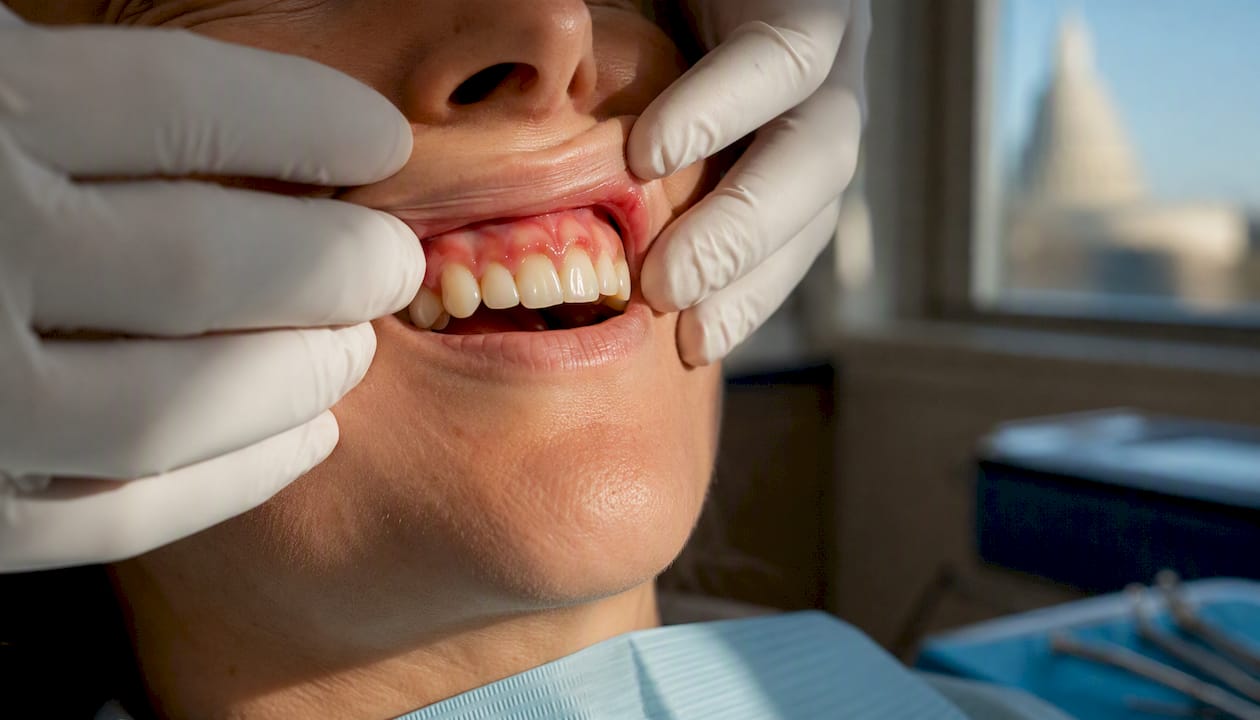
The distinction between early, reversible gingivitis and more advanced disease matters because the treatment path and prognosis are very different.
| Feature | Likely gingivitis (reversible) | Worry signs (periodontitis or systemic) |
|---|---|---|
| Bleeding | With brushing or flossing only | Spontaneous, heavy, or won't stop |
| Gum appearance | Red, swollen, tender | Receding, pulling away from teeth |
| Teeth | Stable, no movement | Loose or shifting |
| Pain | Mild or none | Persistent aching or sensitivity |
| Breath | Mild bad breath | Persistent foul odor or taste |
| Other symptoms | None | Fever, bruising, weight loss, pus |
According to the Cleveland Clinic, gingivitis does not cause bone loss. Periodontitis does, and that bone loss is not reversible. Catching the problem at the gingivitis stage keeps your options open.
One point worth knowing: if you just started flossing after a long break, some bleeding in the first week is expected. Gums that are already inflamed bleed more readily until the tissue firms up. If bleeding continues past 7–10 days of consistent, gentle flossing, that is a signal to see a dentist rather than push through.
How to Stop Gum Bleeding at Home Right Now
These steps are safe for most people and appropriate while you wait for a dental appointment. They are not a substitute for professional care if bleeding persists.
- Rinse with warm water. A gentle warm-water rinse clears debris and soothes irritated tissue without disrupting the clotting process.
- Apply gentle pressure. Fold a piece of clean gauze and press it against the bleeding area for two to three minutes. Sit upright to reduce blood pressure to the area.
- Avoid vigorous rinsing. Spitting forcefully or swishing hard can dislodge a forming clot and restart bleeding.
- Brush gently with a soft toothbrush. Do not skip brushing because gums are bleeding. Skipping allows more plaque to accumulate, which worsens the underlying inflammation. Use light, circular strokes at the gum line.
- Floss carefully. Slide the floss gently between teeth in a C-shape around each tooth rather than snapping it down into the gum.
Do:
- Use a soft-bristled toothbrush and fluoride toothpaste
- Follow up with a proper oral hygiene routine twice daily
- Keep your head elevated if bleeding is significant
Do not:
- Apply hydrogen peroxide directly to bleeding gums as a first-line remedy
- Use alcohol-based mouthwash on open, irritated tissue
- Ignore bleeding that continues beyond one to two weeks
If you take blood thinners: Do not adjust your medication on your own. Contact your prescribing physician or dentist if gum bleeding is heavier than usual or does not stop within a few minutes of gentle pressure. They may need to coordinate care before any dental procedure.
Warning: Heavy bleeding that will not stop with sustained pressure, combined with dizziness, fainting, chest pain, or difficulty breathing, is a medical emergency. Go to an emergency room or call emergency services immediately.
What Will a Dentist or Doctor Do for Bleeding Gums?
A dental visit for bleeding gums typically starts with a periodontal assessment: probing pocket depths around each tooth, checking for bone loss on X-rays, and reviewing your medical history and medication list. From there, treatment depends on what the exam finds.
Common dental treatments:
- Professional cleaning (prophylaxis): Removes plaque and tartar above and just below the gum line. For patients with early gingivitis, this single appointment combined with improved home care is often enough to resolve bleeding within one to two weeks.
- Scaling and root planing: A deeper cleaning that reaches below the gum line to remove tartar from root surfaces and smooth them so bacteria cannot reattach as easily. Used when pockets are deeper than normal.
- Periodontal maintenance: Ongoing three- to four-month cleaning appointments for patients with a history of periodontitis to prevent recurrence. NIDCR identifies regular professional cleanings as one of the two primary preventive measures against gum disease, alongside daily plaque control.
Pro Tip: Tell your dentist about every medication you take, including over-the-counter pain relievers and supplements. Aspirin, ibuprofen, fish oil, and vitamin E all affect bleeding time and are easy to overlook when listing medications.
When a systemic cause is suspected, your dentist may refer you to your primary care physician for blood work. A complete blood count (CBC) can identify signs of a blood disorder or leukemia. Clotting studies reveal whether your blood is clotting normally. Vitamin C and K levels can be checked if deficiency seems likely. Diabetes screening or HbA1c testing may be ordered if blood sugar control is in question.
Prognosis: Gingivitis is usually reversible within one to two weeks after a professional cleaning and consistent home care. Periodontitis involves irreversible bone loss and requires ongoing professional management to prevent further progression, per the Cleveland Clinic. The sooner treatment starts, the more tissue and bone can be preserved.
How to Prevent Bleeding Gums from Coming Back
Prevention is straightforward, but it requires consistency. The two pillars are daily plaque removal and regular professional cleanings, which NIDCR identifies as the primary defenses against periodontal disease.
Daily habits that make the biggest difference:
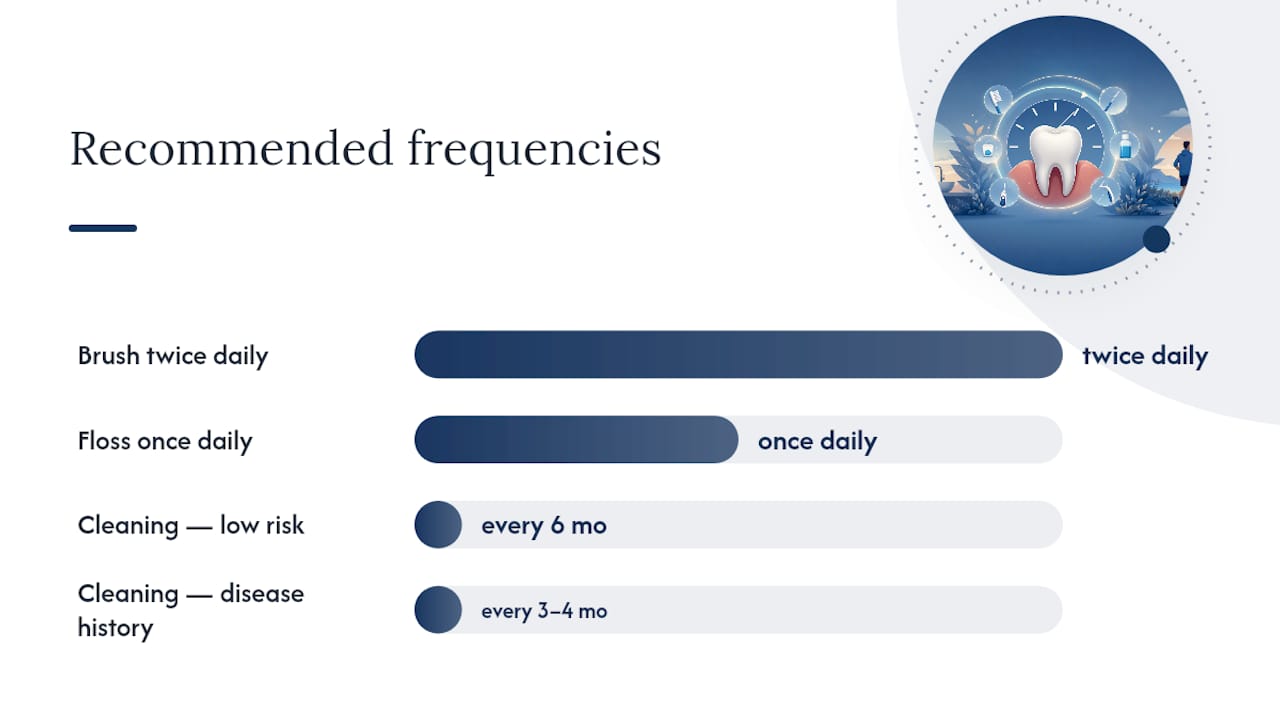
- Brush twice daily with a soft-bristled toothbrush and fluoride toothpaste, spending at least two minutes each session
- Floss or use interdental brushes once daily to clean where a toothbrush cannot reach
- Schedule professional cleanings every six months for low-risk patients, or every three to four months if you have a history of gum disease
- Eat a diet adequate in vitamins C and K; leafy greens, citrus, and bell peppers are practical sources. For more on how nutrition affects your gum health, the practice has detailed guidance available.
Lifestyle factors with high impact:
- Quit smoking. Smoking reduces blood flow to the gums, masks bleeding, and significantly impairs healing after treatment. It is one of the strongest modifiable risk factors for periodontitis.
- Control blood sugar. Uncontrolled diabetes and gum disease worsen each other in a documented two-way relationship. Keeping HbA1c in a healthy range reduces gum inflammation.
- Review medications with your provider. If you recently started a new anticoagulant or blood pressure medication and noticed more gum bleeding, mention it at your next appointment. Do not stop medication without guidance.
Pro Tip: Correct flossing technique matters more than most people realize. Wrap the floss in a C-shape around each tooth and slide it gently up and down the root surface, not just in and out of the contact point. This removes the plaque that causes gum inflammation rather than just clearing food debris.
When Should You See a Dentist or Doctor About Bleeding Gums?
Most gum bleeding warrants a routine dental appointment within one to two weeks. A few situations call for faster action.
| Situation | Recommended action |
|---|---|
| Bleeding only with brushing or flossing, started recently | Routine dental visit within 1–2 weeks |
| Bleeding persists beyond 7–10 days of improved home care | Dental appointment within the week |
| Loose teeth, pus, or persistent bad breath | Dental appointment within days |
| Fever, unexplained bruising, weight loss, or night sweats | See primary care physician promptly |
| Heavy bleeding that will not stop with pressure | Emergency care immediately |
| On anticoagulants with new or heavier bleeding | Contact prescribing clinician same day |
Red flags that should not wait: spontaneous bleeding without any brushing or contact, bleeding accompanied by loose teeth, visible pus around the gum line, or any systemic symptoms like fever, unexplained bruising, or significant unintended weight loss. These combinations suggest either advanced periodontitis or a systemic condition that needs medical evaluation, not just a dental cleaning.
For patients on anticoagulants, the coordination between your dentist and prescribing physician is especially important before any invasive procedure. Do not assume your dentist already knows your full medication list.
A Quick Self-Check Before Your Dental Appointment
Running through a short checklist before you call the dentist helps you describe your symptoms accurately and gives the clinician the information needed to triage your appointment correctly.
Check your symptoms now:
- Are your gums red, swollen, or darker than usual?
- Do they bleed with light touch, not just vigorous brushing?
- Do you have any loose teeth?
- Any fever, unexplained bruising, or other symptoms beyond your mouth?
What to tell your dentist:
- Any recent medication changes, especially anticoagulants, aspirin, or new supplements
- Whether you are pregnant or recently postpartum
- Your diabetes status and most recent blood sugar readings if relevant
- When the bleeding started and whether it is getting worse, better, or staying the same
One factor that often goes unmentioned: stress. Chronic stress suppresses immune function and frequently leads to skipped brushing, poorer diet, and increased teeth grinding, all of which drive gum inflammation. If your bleeding started during a high-stress period, that context is worth sharing with your dentist.
Pro Tip: Most people who blame their bleeding on "brushing too hard" are actually dealing with preexisting gum inflammation. Easing up on pressure is right, but Cleveland Clinic notes that under-cleaning the area out of fear of bleeding can make the underlying disease worse. Gentle, thorough cleaning is the goal, not avoidance.
For additional patient education on gum health and what to expect at a dental visit, DC Implant & Cosmetic Dentistry's dental education resources cover these topics in plain language.
What Bleeding Gums Have Taught Me About Patient Hesitation
Bleeding gums are one of the most common reasons patients delay a dental visit, and the delay almost always makes things worse. The logic I hear most often is: "It only bleeds a little, and it stops quickly, so it probably isn't serious." That reasoning is understandable, but it misses the point. The bleeding is not the disease. It is the signal that disease is already present.
What I find more interesting is how often patients have been managing the symptom for months, rinsing with salt water or switching toothbrushes, without addressing the underlying plaque and tartar that is driving the inflammation. Those steps are not wrong, but they are incomplete. Tartar cannot be removed at home. Once it forms, only a professional cleaning gets it off, and until it is gone, the gum tissue stays irritated.
The other thing worth saying plainly: gingivitis is one of the most reversible conditions in dentistry. A professional cleaning, a proper brushing and flossing routine, and a follow-up appointment is often all it takes. The window to keep it that simple does not stay open indefinitely. Periodontitis, the stage where bone starts to disappear, requires ongoing management for life. Catching it early is genuinely worth the appointment.
Bleeding Gums? Here Is What Dc-dentistry Can Do for You
Dc-dentistry, DC Implant & Cosmetic Dentistry in Washington, DC, offers same-day appointments for patients with new or worsening gum bleeding. Rather than waiting weeks for an evaluation, you can come in, get a full periodontal assessment, and leave with a clear picture of what is driving the bleeding and what the treatment plan looks like.

The practice handles everything from routine professional cleanings and periodontal disease evaluations to scaling and root planing for more advanced cases. Dr. Kambez Shukoor, a U.S. Navy veteran with over 200 five-star patient reviews, leads the clinical team. Bring your current medication list, note when the bleeding started, and mention any systemic symptoms at booking so the team can prepare appropriately.
To schedule, visit Dc-dentistry or call the office directly. Same-day availability is offered for urgent concerns.
Sources
- Bleeding gums: MedlinePlus Medical Encyclopedia
- Bleeding Gums: Causes & Treatment — Cleveland Clinic
- Colgate: Five things to do if your gums are bleeding
- Periodontal (Gum) Disease | NIDCR
- Oral Health Foundation: My gums bleed when I brush or floss. Should I be worried?